Our story
The wild harvest, an inherited gesture
Tamnature was born from a simple belief: the finest flavours aren't farmed, they're foraged.
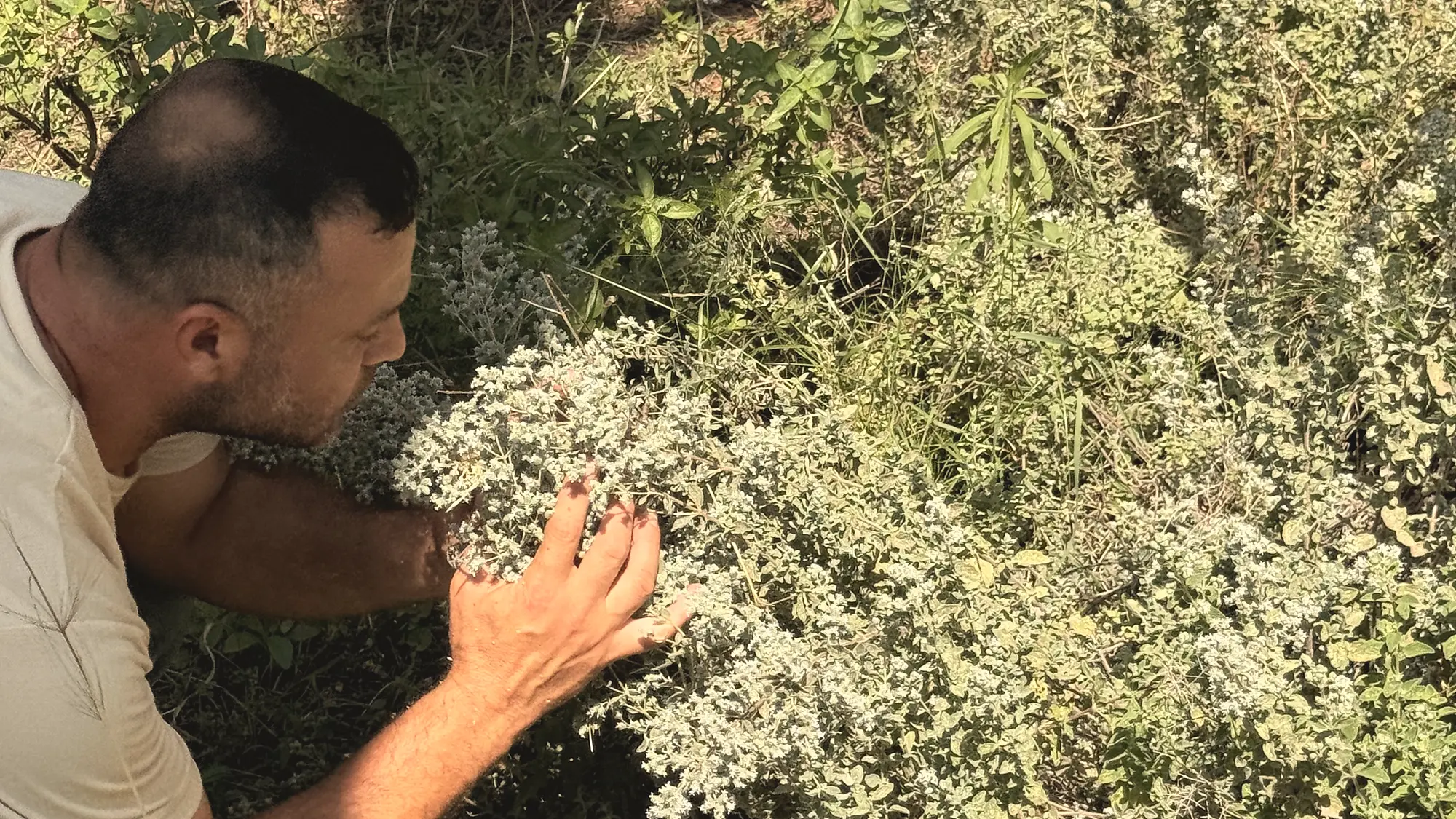
In the mountains of Lebanon, wild zaatar and sumac grow wherever nature decides, with only the soil, the sun and the mountain wind.
Every spring, we handpick the zaatar, stem by stem. In late summer, we harvest the crimson sumac berries. It's slow, patient work that follows the rhythm of the seasons, not the markets.
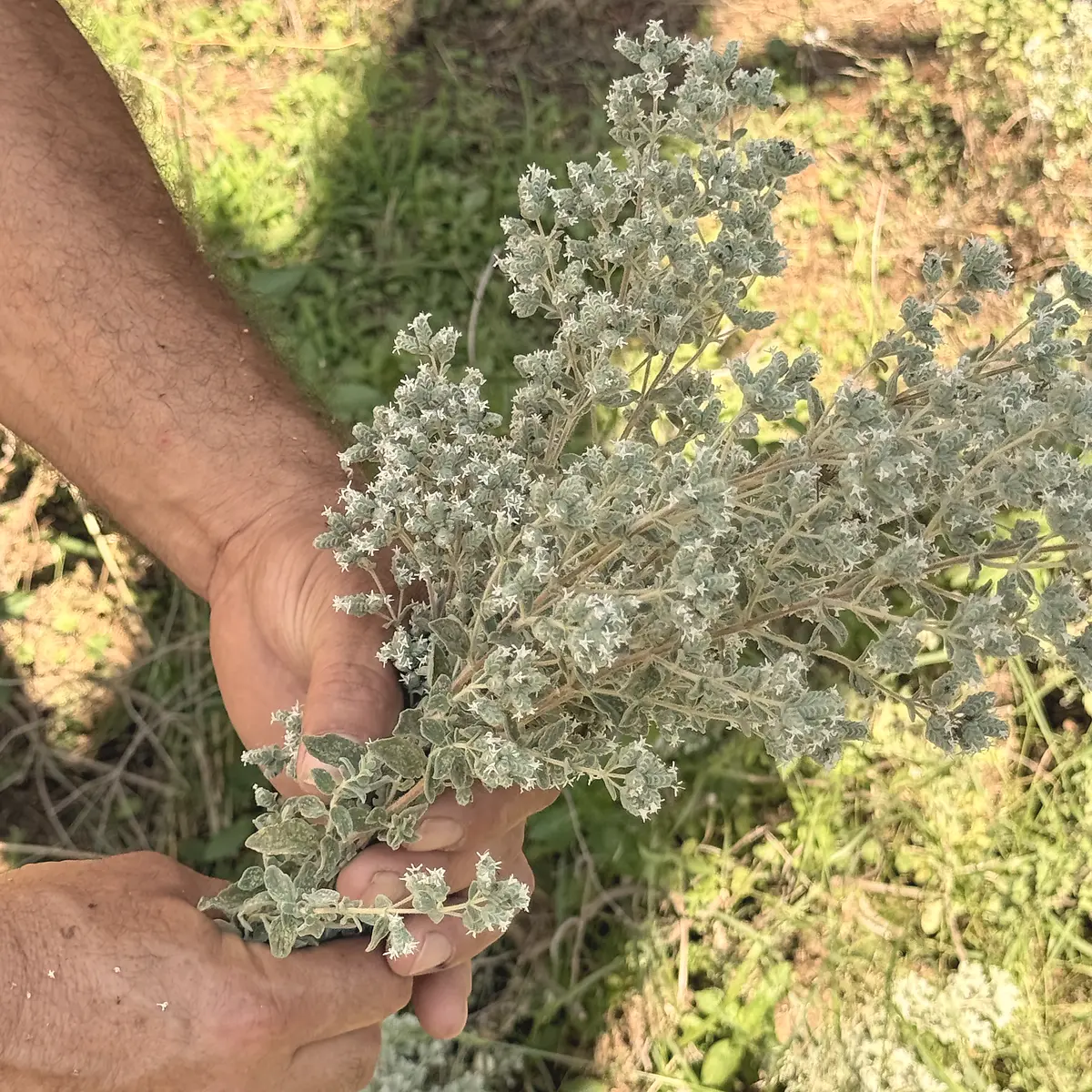
The herbs are then naturally sun-dried on our terraces. This gentle drying preserves the essential oils and aromas that industrial heat would destroy.
Finally, we ship directly — from grower to your kitchen. No middlemen, no supermarkets, no hidden margins. Just a raw, honest product, and full traceability of its origin.
By preserving these harvests, we also protect Lebanese biodiversity: these wild plants are part of a fragile ecosystem we are committed to respecting.
Why consume organic spices – and in particular certified zaatar and sumac?
In a world where food is increasingly industrialised, consuming organic, traceable and unprocessed spices has become a gesture of health and awareness.
Zaatar and sumac, two treasures of Middle Eastern culinary and medicinal tradition, are today unfortunately victims of their own success. They can be found in markets, in some grocery stores or online… at rock-bottom prices, but also of questionable quality.
The dangers of non-organic (uncertified) zaatar
Many zaatar blends sold in shops or markets:
- Are cut with sawdust, flour or unidentified plants to reduce costs.
- Contain thyme treated with pesticides or powerful herbicides, often banned in Europe.
- Are subject to no control of purity, origin or traceability.
- Use irradiated or oxidised sumac, losing its antioxidants.
- May contain traces of mould or heavy metals if poorly dried or stored.
According to several studies, non-organic aromatic plants – especially thyme – can accumulate pesticide residues even after drying, and some of them (such as oregano or savory) are regularly the subject of European health alerts (source: RASFF – Rapid Alert System for Food and Feed).
Did you know?
90% of non-organic zaatar found in markets is cut with flour, wood, or unidentified plants.
It can contain pesticide residues, heavy metals, and no origin control is carried out.
Real zaatar (Origanum syriacum) is a plant naturally rich in aromatic compounds and naturally contains minerals such as iron, calcium, potassium and magnesium.
Our commitments
What defines us
Wild
Foraged, never farmed. The flavour of the mountain, intact.
Direct
From harvester to you, with no middlemen or compromise.
Pure
0% additives, 0% colourings. Nothing but the plant.